

Recovery Day Routine: 10 Gentle Exercises + Mobility Drills to Fix Muscle Soreness (2026 Guide)
Feeling stiff and sore after an intense workout? You’re not alone. Muscle soreness—especially Delayed Onset Muscle Soreness (DOMS)—is a common experience after strength training, HIIT, or long cardio sessions. While many people think complete rest is the solution, fitness experts now recommend something better: active recovery.
A smart Recovery Day Routine keeps your body moving gently so muscles recover faster, flexibility improves, and stiffness fades away.
This 2026 Recovery Day Routine includes 10 gentle mobility drills and low-impact exercises designed to reduce soreness, improve blood circulation, and support muscle repair—all in about 20–25 minutes without equipment.
Whether you’re a beginner, athlete, or gym enthusiast, this routine will help you recover faster and stay consistent with your fitness goals.
Why a Recovery Day Routine Works Better Than Total Rest
When muscles are sore, staying completely inactive can sometimes make stiffness worse. A well-planned Recovery Day Routine encourages gentle movement that improves circulation and promotes healing.
Here’s why active recovery works:
✔ Improves blood flow – Oxygen and nutrients reach muscles faster
✔ Flushes out metabolic waste produced during exercise
✔ Reduces stiffness and soreness from DOMS
✔ Improves flexibility and mobility
✔ Keeps your fitness momentum going
Studies in Sports Science show that light activity on recovery days can reduce muscle soreness by up to 30–40% compared to total rest.
Read also: Dramatic Cliffs Fat Burn: 15-Min Home Workout Mimicking Étretat Hikes

How to Do This Recovery Day Routine (2026 Method)
To perform this Recovery Day Routine, follow these simple guidelines:
- Perform each exercise for 45–60 seconds
- Complete 8–12 slow reps if the movement is repetition-based
- Rest 15–20 seconds between exercises
- Complete 2 rounds of the entire routine
Focus on slow breathing and controlled movements to maximize muscle recovery.
10 Gentle Exercises in This Recovery Day Routine
Below are the most effective mobility drills and recovery exercises used by trainers and physiotherapists.
1. Neck & Shoulder Rolls
Slowly roll your shoulders forward and backward while gently tilting your head side to side.
Targets:
- Neck muscles
- Upper traps
- Shoulder tension
This movement helps release tension from long hours of sitting or screen time.
2. Cat–Cow Stretch
This classic yoga movement alternates between arching and rounding your spine.
Cat-Cow Stretch improves:
- Spinal flexibility
- Core activation
- Lower back mobility
It’s one of the best movements for relieving back stiffness.
3. Child’s Pose with Side Reach
From Child’s Pose, walk your hands to the right side, hold for 20 seconds, then repeat on the left.
Benefits:
- Deep stretch for the back
- Releases tight lats
- Relaxes shoulders
This is one of the most calming exercises in the entire routine.
4. Seated Spinal Twist
Sit upright with one leg crossed over the other and gently twist your torso toward the bent knee.
This movement:
- Releases tight hips
- Improves spinal mobility
- Reduces lower-back stiffness
Great after heavy lifting or leg workouts.
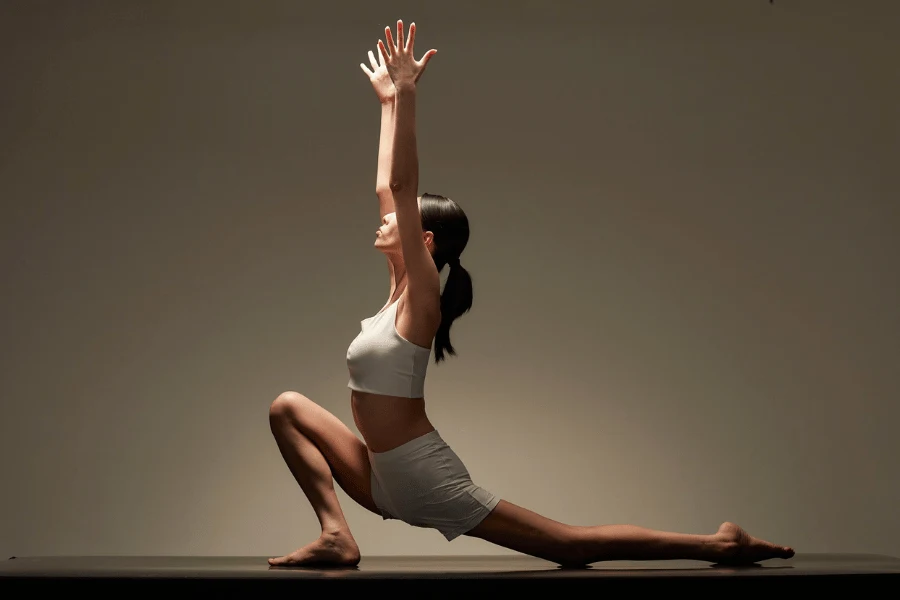
5. Hip Flexor Stretch with Reach
In a half-kneeling position, push your hips forward while reaching the opposite arm overhead.
Targets:
- Hip flexors
- Quadriceps
- Core stability
Perfect for people who sit for long periods or run frequently.
6. Figure-Four Stretch
Lie on your back and cross one ankle over the opposite thigh.
This stretch targets:
- Glutes
- Piriformis muscle
- Deep hip tension
It’s especially helpful after exercises like squats or deadlifts.
7. Ankle Circles and Foot Flex
Rotate your ankles slowly in both directions while pointing and flexing your feet.
Benefits include:
- Improved ankle mobility
- Reduced calf tightness
- Better circulation
This simple drill is excellent for runners and athletes.
8. Gentle Glute Bridge Hold
Lift your hips into a bridge position and hold for 20–30 seconds.
Glute Bridge activates:
- Glutes
- Hamstrings
- Core stabilizers
It strengthens muscles without heavy loading.
9. Standing Forward Fold
Hinge at your hips while keeping a slight bend in your knees and let your upper body hang.
Benefits:
- Releases hamstrings
- Reduces spinal tension
- Improves circulation to the brain
This movement stretches the entire posterior chain.
10. Supine Twist
Lie on your back and drop both knees to one side while keeping shoulders flat on the floor.
This gentle twist:
- Relaxes the spine
- Releases lower back tension
- Promotes relaxation
Perfect for ending your routine.
Recovery Day Routine Finisher: Deep Relaxation
End your Recovery Day Routine with Savasana (Corpse Pose).
Instructions:
- Lie flat on your back
- Close your eyes
- Breathe slowly
Breathing technique:
- Inhale for 4 seconds
- Exhale for 6 seconds
Just 2–3 minutes of deep breathing helps calm the nervous system and accelerate recovery.
Sample 25-Minute Recovery Day Routine
Warm-up – 3 minutes
- Neck & Shoulder Rolls
- Cat-Cow Stretch
Main Routine – 15–18 minutes
- Child’s Pose with Side Reach
- Seated Spinal Twist
- Hip Flexor Stretch
- Figure-Four Stretch
- Ankle Circles
- Glute Bridge Hold
- Forward Fold
- Supine Twist
Finisher – 2–3 minutes
- Savasana breathing
When to Use This Recovery Day Routine
You can perform this routine:
✔ The day after leg day or intense training
✔ Between two heavy workout sessions
✔ When muscles feel stiff or tight
✔ As a weekly active rest day
Fitness experts recommend 1–2 recovery days per week to prevent injury and burnout.
Pro Recovery Tips for 2026
Modern fitness research highlights these recovery strategies:
Hydration Matters
Water helps transport nutrients to muscles and reduce soreness.
Sleep Is Essential
Muscle repair mainly occurs during deep sleep. Aim for 7–9 hours nightly.
Eat Recovery-Friendly Foods
Include anti-inflammatory foods like:
- Berries
- Turmeric
- Fatty fish
- Leafy greens
Light Walking Helps
Even 10–15 minutes of walking can boost circulation and reduce stiffness.
Amazing Facts About Muscle Recovery
Here are some fascinating facts many people don’t know:
:- Your muscles grow during recovery, not during workouts.
:- DOMS typically peaks 24–72 hours after exercise.
:- Stretching and mobility work can increase joint range by up to 20%.
:- Proper recovery improves long-term athletic performance.
:- Elite athletes often spend as much time recovering as they do training.



One thought on “Recovery Day Routine: 10 Gentle Exercises + Mobility Drills to Fix Muscle Soreness”