

Squat Workout: The Ultimate 30-Day Challenge to Build Powerful Legs at Home
If there’s one exercise that delivers maximum results with minimal equipment, it’s the squat. A well-structured Squat Workout doesn’t just sculpt your legs—it boosts metabolism, improves posture, and builds total-body strength.
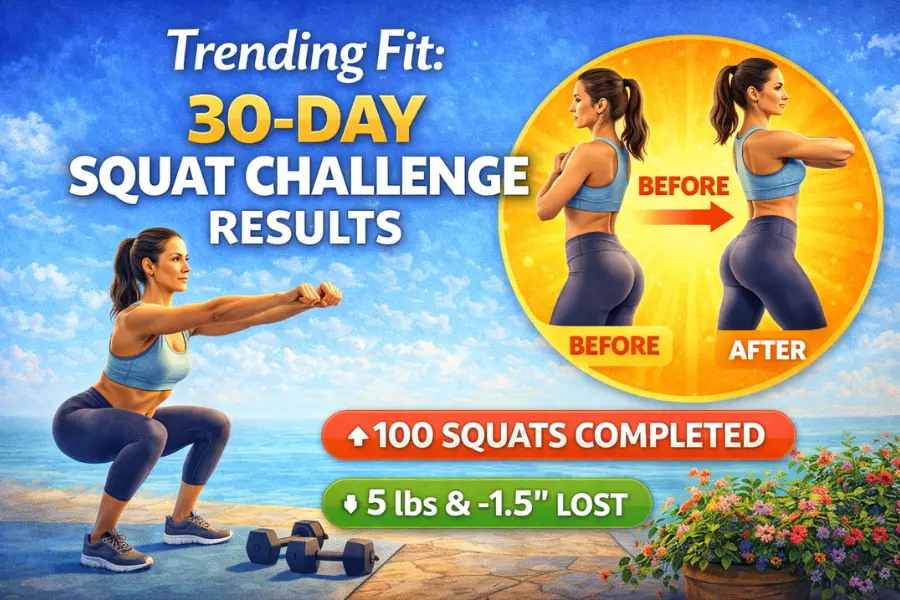
This progressive 30-day squat challenge is designed for real people, not fitness models. Whether you’re starting from zero or already training, this plan gradually increases volume and intensity to transform your glutes, quads, and hamstrings—without burning you out.
No gym. No fancy machines. Just consistency, smart progression, and perfect form.
Why a Squat Workout Is a Full-Body Game Changer
Most people think squats only train legs. Science says otherwise.
A proper Squat Workout activates:
- Glutes, quads, hamstrings, and calves
- Core muscles for balance and spinal support
- Upper-back stabilizers to maintain posture
Because squats recruit large muscle groups, they:
- Burn more calories than isolation exercises
- Trigger growth hormone and testosterone release
- Improve mobility in hips, knees, and ankles
Amazing fact: Squats stimulate more muscle mass than leg presses—even with lighter loads.
Read also: Chest Workouts at Home: Beginner to Pro Push Routines
How This 30-Day Squat Workout Challenge Works
This challenge follows progressive overload, meaning your body adapts week by week without injury.
Key Principles
- Daily squat volume increases gradually
- Four squat variations for balanced development
- Built-in recovery days to prevent overtraining
- Optional weights introduced only after mastering form
Squat Variations Used
- Basic Squat – foundation strength
- Sumo Squat – inner thighs and glutes
- Jump Squat – explosive power
- Pulse Squat – time under tension
Week 1: Squat Workout Foundation Phase
Goal: Learn perfect form and wake up dormant muscles
Daily Volume: 50–75 squats
- Day 1: Basic Squats – 50 reps
- Day 2: Sumo Squats – 50 reps
- Day 3: Basic + Sumo – 30 reps each
- Day 4: Basic Squats with pause – 60 reps
- Day 5: Squat Pulses – 75 reps
- Day 6: Active recovery (walking or stretching)
👉 Focus on depth, control, and breathing. Speed doesn’t matter yet.
Week 2: Squat Workout Volume Builder
Goal: Increase endurance and muscle engagement
Daily Volume: 100–125 squats
- Basic Squats split into sets
- Jump Squats added for power
- Isometric squat holds for strength
- Pulse squats to intensify glute activation
Pro tip: Rest 30–45 seconds between sets to maintain form.
Week 3: Squat Workout Intensity Upgrade
Goal: Muscle growth and strength
Daily Volume: 150–200 squats
Optional: Dumbbells or kettlebell (5–10 kg)
New additions:
- Goblet Squats
- Tempo Squats (slow negatives)
- Jump + Basic squat combos
This phase challenges both muscles and nervous system, leading to visible leg shape improvements.
Week 4: Squat Workout Peak Performance Phase
Goal: Mental toughness and full-leg activation
Daily Volume: 200–250+ squats
- Superset squat variations
- High-rep finishers
- Final challenge day: 250 squats using any mix
🔥 This is where transformation happens—stay consistent.
Perfect Squat Workout Form (Avoid Injury)
Good form is non-negotiable.
- Feet shoulder-width apart
- Toes slightly outward
- Chest tall, core braced
- Knees track over toes
- Weight through heels and midfoot
Amazing fact: Proper squat depth improves knee health by strengthening connective tissue.
What Results Can You Expect?
With consistency and nutrition support, most people notice:
- Firmer, rounder glutes
- Visible quad definition
- Stronger knees and hips
- Better posture and balance
- Improved jump power and mobility
Bonus: Squats improve insulin sensitivity, helping regulate fat storage.
Nutrition Tips to Support Your Squat Workout
Fueling your body matters as much as training.
Before Training
- Banana or oats for energy
- Whey protein (optional)
After Training
- High-protein meal or shake
- Plenty of water and electrolytes
Daily Guideline
- Protein intake: around 1.6–1.8 g per kg bodyweight
Common Mistakes to Avoid
- Rushing reps
- Shallow squats
- Ignoring rest days
- Poor footwear or unstable surface
Consistency beats intensity every time.
FAQs
Yes. The challenge starts with low volume and focuses on form first.
Squats help burn calories, but fat loss depends on overall diet and activity.
This plan includes active recovery days to allow muscle repair.
No. Bodyweight squats are highly effective when done correctly.

One thought on “Squat Workout Challenge: 30 Days to Stronger Legs”