
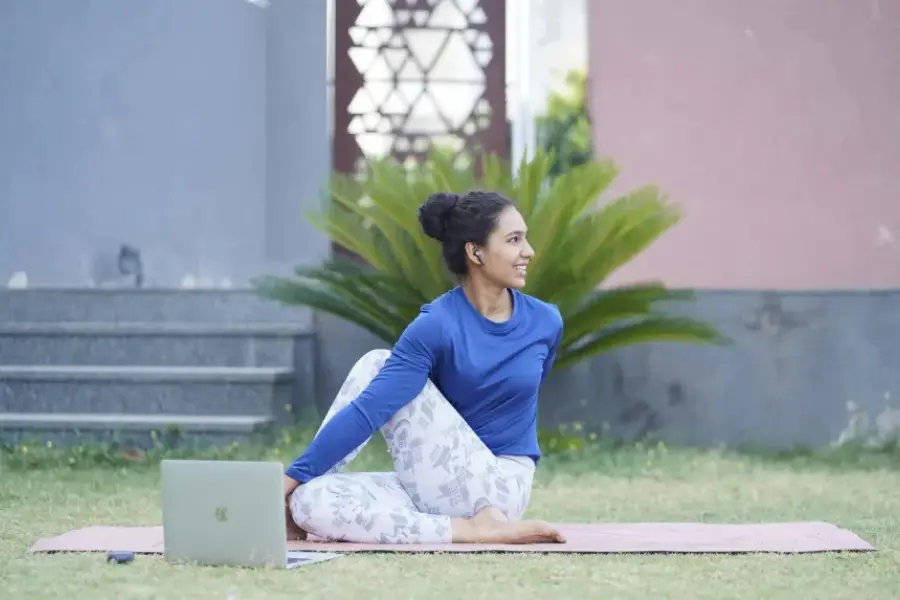
Yoga for PCOS: A Natural Way to Balance Hormones & Feel Better
Polycystic Ovary Syndrome (PCOS) is one of the most common hormonal conditions affecting women today. It often brings irregular periods, weight gain, acne, mood swings, insulin resistance, and fertility challenges. While medication can help manage symptoms, many women are turning to Yoga for PCOS as a gentle, sustainable, and side-effect-free solution.
Yoga doesn’t just stretch the body—it calms the nervous system, reduces stress hormones, improves blood circulation to reproductive organs, and supports hormonal balance from within. Practiced consistently, yoga can become a powerful daily tool for managing PCOS naturally.
Why Yoga for PCOS Works So Well
PCOS is closely linked to stress, insulin resistance, and hormonal imbalance. Yoga addresses all three together.
Key benefits of yoga for PCOS:
- Reduces cortisol (stress hormone) that worsens PCOS symptoms
- Improves insulin sensitivity and blood sugar control
- Enhances blood flow to ovaries and pelvic organs
- Supports thyroid and endocrine gland function
- Improves sleep, mood, and emotional balance
Amazing fact: Regular yoga practice has been shown to reduce androgen (male hormone) levels and improve menstrual regularity without medication in many women.
Read also: 30-Day No-Equipment Home Workout Challenge: Lose 10lbs & Tone Up Fast
How Yoga Supports Hormonal Balance in PCOS
Yoga works through three major mechanisms:
- Nervous system calming: Slow movements and breathing shift the body into a healing, parasympathetic state
- Pelvic stimulation: Targeted poses increase circulation to ovaries and uterus
- Mind-body connection: Reduces emotional eating, anxiety, and fatigue
Even 15–20 minutes a day can create visible changes over time.
Preparation Tips Before Starting Yoga for PCOS
- Best time: Morning on an empty stomach or evening after a light gap
- Duration: Hold poses for 30–60 seconds with steady breathing
- Breathing style: Slow nasal breathing or gentle Ujjayi breath
- Props: Blocks, cushions, or a wall for comfort
- Precaution: Avoid strong inversions during menstruation; consult a professional if pregnant
Consistency matters more than intensity.
10 Best Yoga Poses for PCOS Relief
1. Supta Baddha Konasana (Reclining Bound Angle)
- Deeply relaxes pelvic muscles
- Improves ovarian circulation
- Reduces anxiety and fatigue
2. Bhujangasana (Cobra Pose)
- Stimulates adrenal and reproductive glands
- Strengthens lower back
- Improves metabolism
3. Setu Bandhasana (Bridge Pose)
- Supports thyroid balance
- Helps reduce abdominal fat
- Improves blood flow to pelvis
4. Malasana (Garland Pose)
- Opens hips and pelvis deeply
- Aids digestion and hormonal flow
- Encourages ovulation support
5. Paschimottanasana (Seated Forward Bend)
- Calms the nervous system
- Massages abdominal organs
- Reduces stress-related cravings
6. Viparita Karani (Legs Up the Wall)
- Excellent for irregular periods
- Reduces fatigue and bloating
- Supports lymphatic drainage
7. Dhanurasana (Bow Pose)
- Activates reproductive organs
- Improves hormonal communication
- Boosts energy levels
8. Ushtrasana (Camel Pose)
- Opens chest and throat
- Balances thyroid and pituitary glands
- Improves emotional release
9. Ardha Chandrasana (Half Moon Pose)
- Improves insulin sensitivity
- Builds balance and strength
- Supports weight management
10. Savasana with Visualization
- Deep hormonal reset
- Reduces cortisol dramatically
- Improves sleep quality
Amazing fact: Visualization during relaxation can influence hormonal signaling through the brain-endocrine connection.
20-Minute Daily Yoga for PCOS Routine
Warm-Up (3 minutes)
- Cat-Cow flow
- Gentle hip circles
Main Practice (12 minutes)
- Supta Baddha Konasana
- Bridge Pose
- Cobra Pose
- Malasana
- Legs Up the Wall
Cool Down (5 minutes)
- Seated Forward Bend
- Savasana with slow breathing
Practice 5–6 days a week for best results.
Lifestyle Tips That Boost Yoga for PCOS Results
Nutrition Support
- Focus on low-glycemic foods
- Include healthy fats and fiber
- Reduce refined sugar and processed food
Helpful foods:
- Leafy greens, berries, seeds
- Whole grains like oats and quinoa
- Turmeric, cinnamon, and ginger
Pranayama (Breathing Techniques)
- Alternate nostril breathing
- Slow belly breathing before sleep
These techniques calm the hormonal stress response.
Gentle Movement
- Daily walking
- Light stretching on rest days
Expected Benefits Timeline
- First weeks: Better sleep, reduced bloating
- After a month: Improved mood and energy
- Long-term: More regular cycles, reduced acne, better weight control
Consistency is the secret.
Common Mistakes to Avoid in Yoga for PCOS
- Forcing flexibility
- Holding breath during poses
- Skipping rest and recovery
- Expecting instant results
- Ignoring nutrition and sleep
Yoga works best when combined with mindful living.
Amazing Facts About Yoga & PCOS
- Stress hormones directly affect ovarian function
- Gentle yoga can outperform intense workouts for PCOS
- Mind-body practices influence insulin response
- Relaxation is as important as movement
FAQs
Yes, regular yoga can help manage symptoms naturally by balancing hormones and reducing stress.
Ideally 5–6 days a week for 15–30 minutes.
Absolutely. Gentle poses are safe and beginner-friendly.
Yes, by improving insulin sensitivity and reducing cortisol.




One thought on “Yoga for PCOS: 10 Poses to Balance Hormones Naturally”