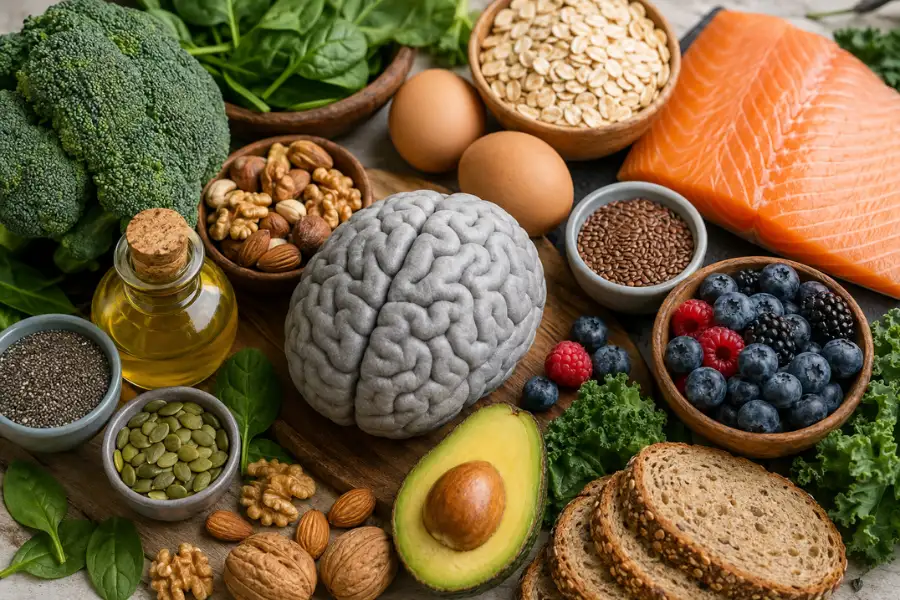
How to Boost Memory and Concentration Naturally: The Best Foods for Adult Brains
Many adults in their 20s to 50s notice that focus slips more easily or that names and details take longer to recall. Sleep, stress, and screen time play major roles, but what you eat also influences how well your brain performs day to day and over the long term.
The good news is that you do not need exotic supplements or extreme diets to support memory and concentration. Research consistently points to everyday foods rich in specific nutrients — omega-3 fats, flavonoids, antioxidants, B vitamins, and healthy carbohydrates — as helpful for cognitive function.
This guide explains how to boost memory through diet, highlights the best foods for adult brains, and shows practical ways to include them without overhauling your entire lifestyle.
Outline
- Introduction
- How Food Affects Memory and Concentration
- Best Foods for Adult Brains
- Foods and Habits to Limit
- Simple Daily Eating Patterns
- Practical Tips to Get Started
- FAQs
How Food Affects Memory and Concentration
Your brain is an energy-intensive organ. It needs a steady supply of glucose, healthy fats for cell membranes, and compounds that reduce inflammation and oxidative stress.
Key mechanisms include:
- Omega-3 fatty acids (especially DHA) support the structure of brain cells and communication between them.
- Flavonoids and polyphenols in colourful plants improve blood flow and may protect neurons.
- Antioxidants help counter damage from normal metabolic processes.
- B vitamins and folate support neurotransmitter production and homocysteine regulation.
- Stable blood sugar from fibre-rich foods helps maintain steady energy and focus.
Diets such as the Mediterranean pattern and the MIND diet (a hybrid of Mediterranean and DASH approaches) have been linked in studies to better cognitive scores and slower decline. The strongest evidence comes from overall patterns rather than any single “superfood.”
Read also: The Best Fitness Trends to Try in 2026

Best Foods for Adult Brains
1. Fatty Fish
Salmon, mackerel, sardines, herring, and trout are among the richest sources of DHA and EPA omega-3s. These fats are structural components of the brain and have been associated with better memory and lower markers linked to cognitive decline.
Aim for two portions per week. If you do not eat fish, consider algae-based omega-3 options after checking with a healthcare professional.
2. Berries
Blueberries, strawberries, blackberries, and blackcurrants are high in anthocyanins and other flavonoids. Studies have linked regular berry intake with improved memory performance and delayed cognitive aging in adults.
Fresh or frozen berries both work. A handful most days is a realistic target.
3. Leafy Green Vegetables
Spinach, kale, Swiss chard, collards, and broccoli provide folate, vitamin K, lutein, and other nutrients tied to slower cognitive decline in observational research. One study found that people who ate one to two servings of leafy greens daily had cognitive scores closer to those of people significantly younger.
Add a side salad, throw greens into omelettes, or blend them into soups.
4. Nuts, Especially Walnuts
Nuts deliver healthy fats, protein, and vitamin E. Walnuts stand out because they contain plant-based omega-3 (ALA). Some research has associated higher walnut intake with better cognitive test scores.
A small handful (about 30 g) makes a convenient snack.
5. Eggs
Eggs are one of the best dietary sources of choline, a nutrient used to make acetylcholine, a neurotransmitter important for memory. They also provide high-quality protein and B vitamins.
Most healthy adults can include eggs several times a week as part of a balanced diet.
6. Whole Grains
Oats, brown rice, quinoa, whole-wheat bread, and similar foods supply steady glucose plus fibre and B vitamins. The brain prefers a consistent energy supply rather than sharp spikes and crashes from refined carbohydrates.
Choose whole grains for most of your carbohydrate servings.
7. Other Helpful Foods
- Avocados – monounsaturated fats and nutrients that support blood flow.
- Seeds (flax, chia, pumpkin) – additional omega-3s, minerals, and fibre.
- Colourful vegetables (peppers, broccoli, beetroot in moderation) – broad antioxidant support.
- Olive oil – a cornerstone of Mediterranean-style eating linked to brain benefits.
- Coffee or tea (in moderation) – caffeine can sharpen short-term alertness; some studies also link moderate intake with longer-term cognitive advantages.
Foods and Habits to Limit
Supporting memory is not only about adding beneficial foods. It also helps to reduce patterns that work against focus and long-term brain health:
- Frequent sugary drinks and ultra-processed snacks that cause energy crashes
- Excess refined carbohydrates
- High intakes of red and processed meats (in place of fish, legumes, and plants)
- Chronic dehydration — even mild fluid deficits can affect concentration
- Heavy alcohol use
A realistic approach is gradual reduction rather than strict elimination.
Simple Daily Eating Patterns That Support the Brain
You do not need a perfect diet. Consistency matters more.
Breakfast ideas
- Oats topped with berries and a few walnuts
- Eggs with spinach and whole-grain toast
- Greek yoghurt with berries and seeds
Lunch ideas
- Large salad with leafy greens, colourful vegetables, olive oil, and a portion of fish or legumes
- Whole-grain bowl with roasted vegetables and avocado
Dinner ideas
- Baked salmon or sardines with greens and quinoa
- Stir-fry with plenty of vegetables, tofu or fish, and brown rice
Snacks
- A handful of nuts
- Fresh or frozen berries
- Vegetable sticks with hummus
Following a Mediterranean or MIND-style pattern most days — plenty of plants, regular fish, olive oil, limited red meat and sweets — aligns well with the current evidence.
Practical Tips to Get Started
- Add one extra serving of vegetables or berries to a meal you already eat.
- Swap refined grains for whole-grain versions gradually.
- Keep frozen berries and canned oily fish (in water or olive oil) on hand for convenience.
- Batch-cook grains and chop vegetables ahead of busy weeks.
- Stay hydrated; keep a water bottle visible.
- Pair dietary changes with good sleep and some daily movement — both strongly support concentration.
- Be patient. Benefits to focus can appear relatively quickly, while longer-term protection builds over months and years.
If you have specific health conditions, take medications, or are pregnant, consult a doctor or registered dietitian before making significant changes or starting supplements.
FAQs
What is the single best food for memory? No single food is magic. Fatty fish (for omega-3s) and berries (for flavonoids) have some of the strongest individual research support, but overall dietary pattern matters most.
How quickly can diet improve concentration? Some people notice steadier energy and focus within days to weeks of improving blood-sugar stability and hydration. Longer-term structural and protective benefits develop more slowly.
Are brain supplements better than food? Food first is the preferred approach. Whole foods provide nutrients in combination with fibre and other compounds. Supplements may help in cases of deficiency but should not replace a solid diet; discuss them with a professional.
Can young adults benefit or is this only for older people? Adults in their 20s, 30s, and 40s benefit too. Building healthy patterns earlier supports performance now and may reduce risk later.
Is the MIND diet or Mediterranean diet better? Both have supportive evidence. The MIND diet places extra emphasis on berries and leafy greens. Either pattern is a strong foundation.
Do I need to eat fish if I’m vegetarian? You can obtain ALA from walnuts, flaxseeds, and chia, and consider an algae-based DHA supplement if appropriate. A varied plant-rich diet still offers many brain-supportive compounds.